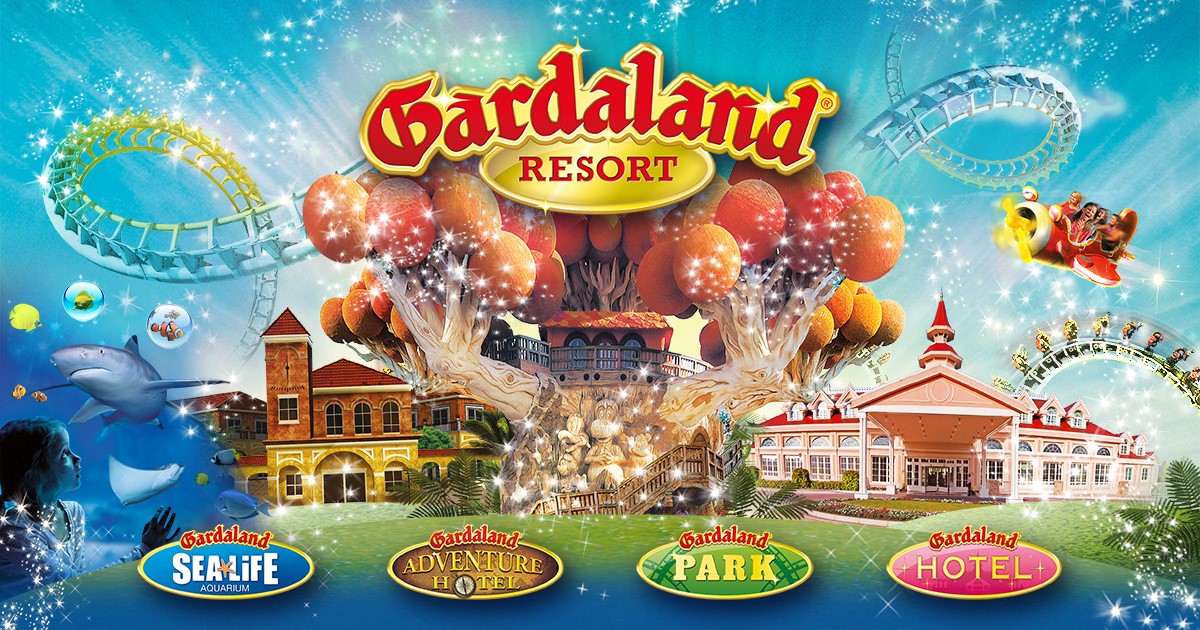
Gardaland is an amusement park located in North-Eastern Italy. Opened 19 July 1975, the resort includes Gardaland Park, Gardaland Sea-Life, and the Gardaland Hotel. It is adjacent to Lake Garda, but does not actually face the water. The entire complex covers an area of 445,000 m2 (4,789,940 sq ft), while the theme park alone measures 200,000 m2(2,152,782 sq ft). Sporting both traditional attractions and entertainment shows, it attracts nearly 3 million visitors every year.
In June 2005, Gardaland has been ranked fifth in the top ten amusement parks in the world with the best turnover by Forbes Magazine, and according to 2011 data is the eighth in Europe by number of park visitors.


What type of holiday are you looking for?
GARDA LAKE
GARDALAND
ZOO NATURAL PARK (PARCO NATURA VIVA)

Parco Natura Viva is a wildlife park located in Bussolengo, in the province of Verona, not far from Lake Garda. There are many endangered species which are taken care of in the park and which are then released back into nature. The park has taken part in many conservation projects to safeguard endangered flora and fauna.
GARDA LAKE
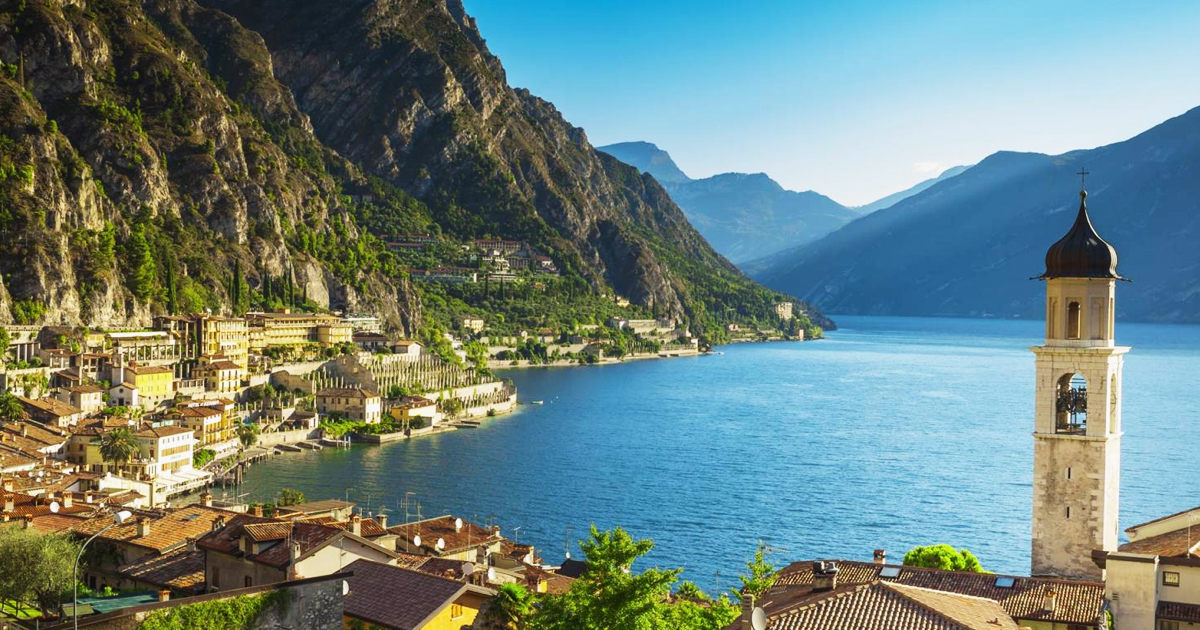
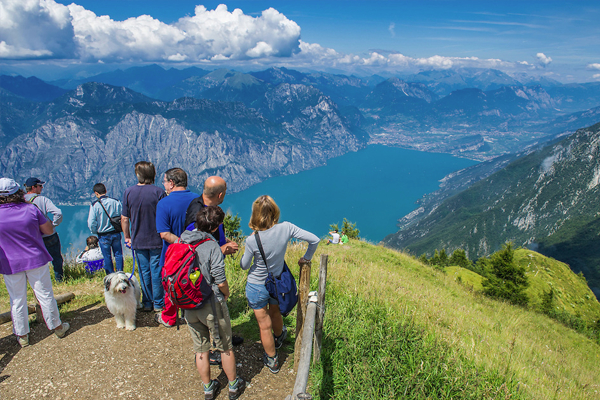
Lake Garda (Italian: Lago di Garda [ˈlaːɡo di ˈɡarda] or Lago Bènaco, Latin: Benacus; Lombard: Lach de Garda; Venetian: Łago de Garda) is the largest lake in Italy. It is a popular holiday location located in northern Italy, about halfway between Brescia and Verona, and between Venice and Milan on the edge of the Dolomites. Glaciers formed this alpine region at the end of the last Ice Age. The lake and its shoreline are divided between the provinces of Verona (to the south-east), Brescia (south-west), and Trentino (north). The name Garda, which the lake has been seen referred to in documents dating to the eighth century, comes from the town of the same name. It is the evolution of the Germanic word warda, meaning “place of guard” or “place of observation.”.
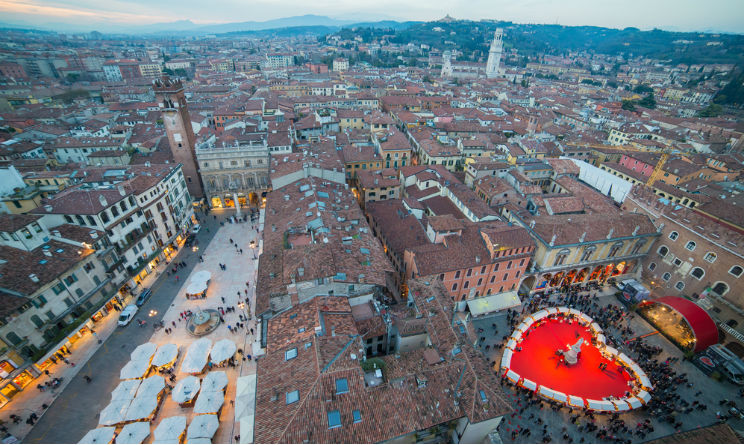
VERONA
ROMAN THEATER
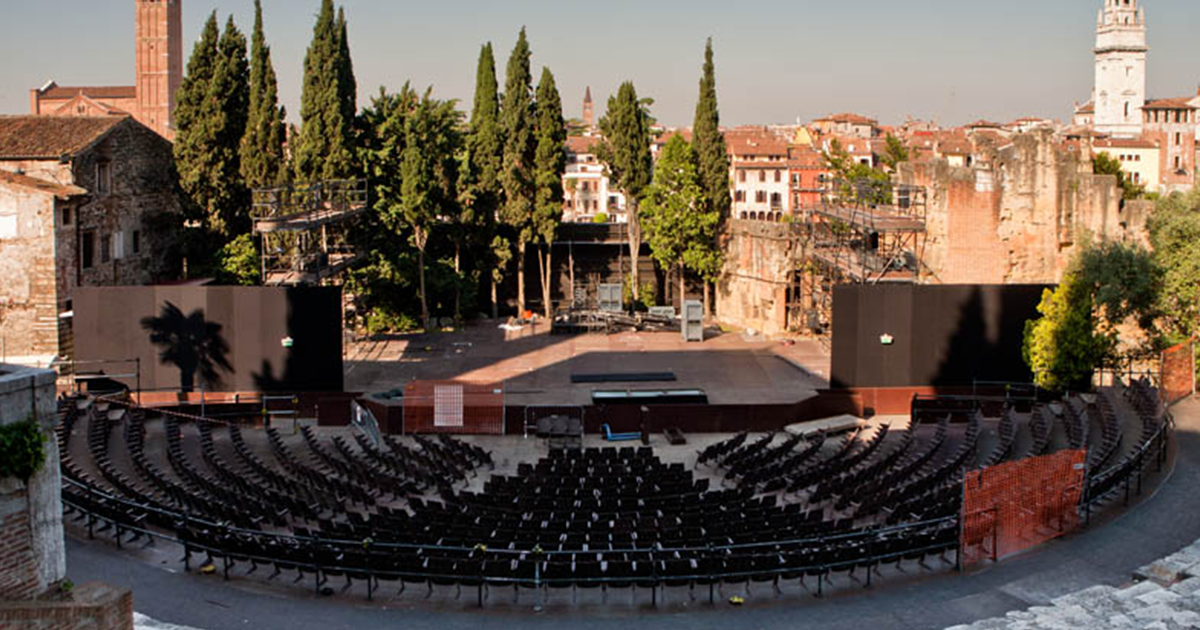
The Roman theatre of Verona (Italian: Teatro Romano di Verona) is an ancient Roman theatre in Verona, northern Italy. It is not to be confused with the Roman amphitheatre known as the Verona Arena.
The theatre was built in the late 1st century BC. Before its construction, two walls were built alongside the Adige River, between the Ponte di Pietra and the Ponte Postumio, to protect it against floods.
Today only remains of the edifice are visible, recovered starting from around 1830. They include the cavea and the steps, several arcades of the loggias and remains of the stage.
Part of the cavea was occupied by the church of S. Siro, built in the 10th century and restored in the 14th century.
And at the top of the hill there was an ancient temple, built on a series of terraces.
ARENA DI VERONA
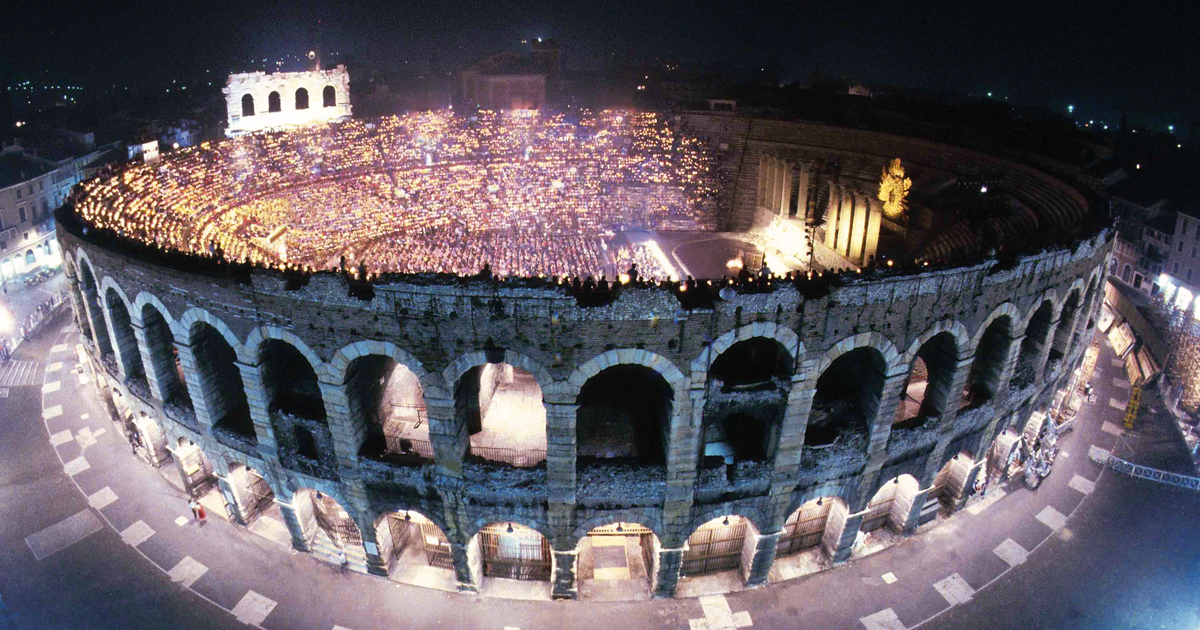
The Verona Arena (Italian: Arena di Verona [aˈrɛːna di veˈroːna; aˈreːna]) is a Roman amphitheatre in Piazza Bra in Verona, Italy built in the first century. It is still in use today and is internationally famous for the large-scale opera performances given there. It is one of the best preserved ancient structures of its kind. In ancient times, nearly 30,000 people was the housing capacity of the Arena. Nowadays, for security reasons, the maximum attendance is 15,000 people.
VERONA FAIR
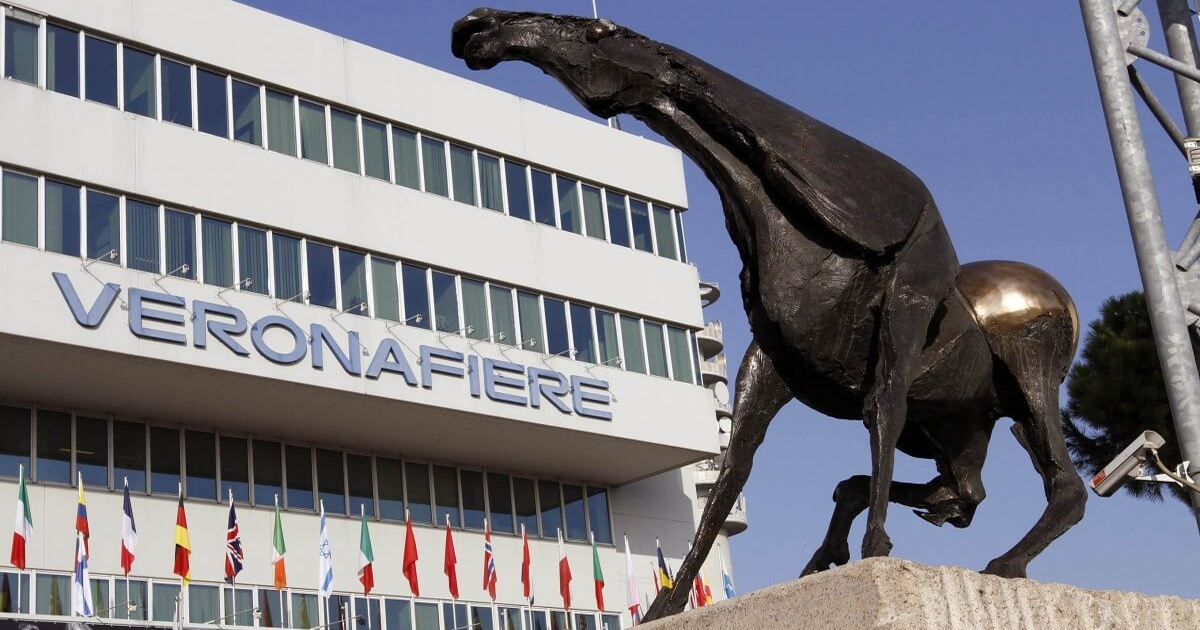
The Verona fair was born in 1898. The first exhibition of the Fieracavalli horse fair saw the participation of the then prince Victor Emmanuel III and was held in the area which is now Piazza Cittadella. It became more important and it developed new exhibition sectors, which is why the original area designed to host it became insufficient. Therefore, at the end of World War II, the municipal authorities decided to move the fair to its current place, dating from 1948.
WHAT TO DO

MOUNTAN BIKE
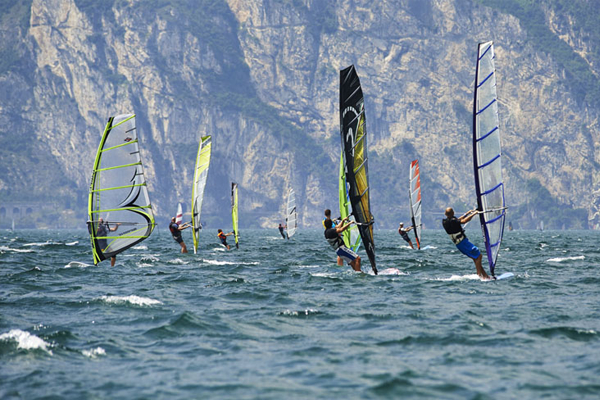
WATER SPORTS